Understanding Manual Labeling Solutions
How Hand-Operated Label Dispensers Work
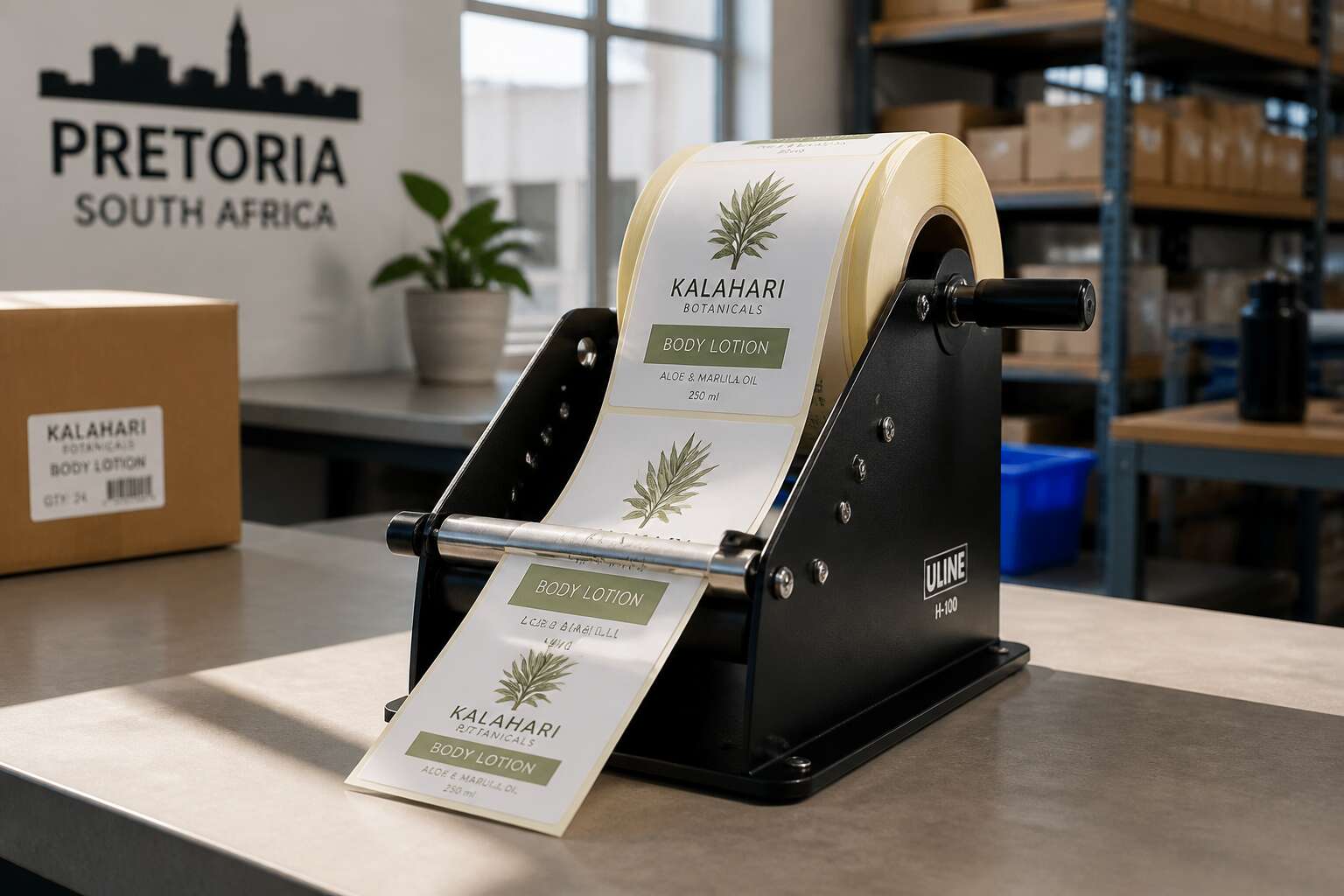
Ever licked a stubborn label and lost a layer of skin? That pain is precisely why the manual label dispenser Pretoria businesses use has become a silent hero. It does not require electricity, software updates, or a PhD in logistics. You simply load a roll and pull. The machine’s peeler bar does the tricky job of separating the sticky paper from its backing.
This mechanical ballet relies on tension, not magic. The feed rollers grip the liner, while a sharp edge forces the label to peel away. The operator then grabs the exposed edge.
The process is remarkably straightforward, which is its main appeal. Consider the steps involved in a typical operation:
1. Load the roll onto the spindle and thread the liner through the rollers.
2. Adjust the side guides to match the label width.
3. Pull the liner across the peel plate to separate a single label.
Some models allow you to adjust the gap between labels. This feature is essential for those tiny barcodes or the large, glossy stickers used in retail. It is a low-tech solution that quietly outperforms many high-cost automated systems for short production runs. The result is a clean, fast, and efficient workflow that spares your fingers and your sanity.
Key Benefits for Small-Scale Production
Most small production lines lose more time to label application than to the actual product assembly. A manual label dispenser Pretoria based businesses use removes that delay entirely. It requires no warm-up, no compressed air, and no technician on standby.
The economics favour simplicity. One operator, one roll, and a consistent pull rhythm can outpace automated systems during short runs, because changeover time is effectively zero. The benefits settle into clear patterns:
– Overhead stays low when the machine costs a fraction of automated alternatives.
– Floor space remains free, since a manual unit mounts on any bench.
– Training takes minutes, so temporary staff can step in without errors.
A manual label dispenser Pretoria suppliers stock also reduces the chance of downtime. Fewer moving parts mean fewer breakdowns, and that reliability matters when every order is time sensitive.
Manual vs. Automated Labeling Systems
In every automated line I have visited, someone still watches the labels. The notion that machinery outperforms the human hand deserves scrutiny. For many South African workshops, choosing a manual label dispenser Pretoria is a deliberate decision, not a compromise. Automation earns its place when volumes justify scheduling and programming. Yet between an operator and a machine, the manual unit offers clearer control.
Consider what automation truly asks of you:
- Setup planning consumes the time that instinct would save.
- Adjustments depend on calculations rather than feel.
- Faults appear as error codes instead of visible problems.
A manual label dispenser Pretoria behaves predictably. One person sees the label, the backing paper, and the peel edge. No code hides between the operator and the finished product.
Industries That Rely on These Devices in Pretoria
Over a quarter of production delays in fast-moving consumer goods stem from labeling problems. In Pretoria, where factories run multiple short batches each day, that figure carries weight. The manual label dispenser Pretoria operators choose gives them direct visibility over every peel and placement.
Food and pharmaceutical companies use these devices because label changes happen between each batch. Cosmetics firms rely on them when producing limited runs for different retailers. Print shops use them for variable orders. Logistics operations depend on them for addressing packages.
- Bakeries in the east of Pretoria label artisan goods by hand each morning.
- Agricultural cooperatives apply barcodes to produce crates.
- Spice packers rotate between dozens of label formats weekly.
This pattern repeats across the city. The manual label dispenser Pretoria provides a stable point in an otherwise shifting production schedule.
Why Pretoria-Based Businesses Prefer Hand Operated Dispensers
Lower Upfront Costs Compared to Automatic Equipment
The operational budget for a growing enterprise is a landscape of delicate trade offs. A manual label dispenser Pretoria business owners can deploy immediately offers a singular advantage: the initial financial outlay is dramatically lower than any automated system. For emerging brands, this cost differential is not merely a preference, it is a survival mechanism.
Automated equipment demands a significant capital injection before the first label is even peeled. There are installation fees, calibration costs, and often a need for specialised training. Hand operated devices bypass these financial prerequisites entirely, allowing you to allocate funds towards inventory or marketing instead.
– Zero electrical installation or hardwiring costs
– No need for expensive software integration or PLC programming
– Immediate asset depreciation is minimal compared to complex machinery
– No ongoing costs for spare electro mechanical parts like sensors or motors
This financial predictability extends beyond the purchase price. The maintenance schedule for manual units is uncomplicated, and repair expenses remain modest. While automatic machines may promise speed, their intricate components introduce a liability that many Pretoria companies, particularly in the artisanal food and craft sectors, find untenable. The true value of a manual label dispenser Pretoria based firms choose often lies in this budget friendly scalability, where the equipment pays for itself through sheer functionality without the fiscal anxiety of a massive mechanical investment.
No Power Source Required for Field Work
When the grid fails, production doesn’t have to stop. Load shedding has turned many Pretoria businesses into nomads, chasing generators and extension cords. A manual label dispenser pretoria based operation can shrug off those constraints completely. No battery, no charger, no inverter. Just a reliable mechanical action that works anywhere you set up the table.
Field work becomes simpler. Think of the vendors at Hazelwood Market, the farm stalls along the N4, the pop-up shops at weekend festivals. They operate where power is absent or unreliable. Their labelling needs are met without a single watt of electricity.
- Pop-up retail events with no wired infrastructure
- On-site label application at client premises
- Warehouse corners without accessible outlets
This independence from the socket changes what is possible for small operations. The manual label dispenser pretoria becomes a piece of mobile equipment. We have seen artisan brands relabel at a market stall with zero hesitation. That is the quiet power of mechanical simplicity.
Compact Footprint for Cramped Workspaces
The compact footprint of a hand operated label dispenser suits the tight workspaces common in Pretoria’s small manufacturing units. Counter space is precious, and these devices occupy minimal real estate while delivering consistent results.
- Fits on any workbench without reconfiguration
- Takes up less space than a standard sheet of paper
- Weighs little, allowing easy relocation between stations
The manual label dispenser Pretoria suppliers stock today reflects this demand for space efficiency. Workshops in Silverton or Gezina often operate in converted garages or narrow units. A desktop unit that measures less than a standard clipboard leaves room for other tools. Operators appreciate the stability of a weighted base that does not slide during use.
Choosing a hand operated model eliminates the need for dedicated mounting or custom stands. That simplicity translates to faster setup and fewer disruptions in busy environments. For businesses upgrading from hand-peeling labels, this step forward requires minimal adjustment to existing workflows.
Quick Changeovers Between Different Label Sizes
Pretoria businesses know the reality of load shedding and tight deadlines. These pressures push operators toward equipment that never fails due to power cuts. A manual label dispenser pretoria unit runs on pure mechanical action, making it a staple in local workshops.
What truly sets these devices apart is the quick changeover between different label sizes. A simple turn of a knob adjusts the side guides. A twist sets the tension for thinner or thicker stock. This whole process takes under thirty seconds, letting a single station handle multiple products without a long pause!
- Adjust guides for width instantly.
- Modify brake tension for paper or film.
- Swap rolls without any software resets.
For a business in Gezina or Silverton, this speed translates directly to more boxes packed per hour. The reliable mechanics of the manual label dispenser pretoria keep things moving, regardless of the national grid. It simply makes good operational sense.
Reduced Label Damage and Material Waste
A flawed application can cost more than the label itself. Many Pretoria operations still rely on hand-sticking, which leads to skewed placement and torn edges. A manual label dispenser pretoria unit separates the label from the liner with precision, allowing the operator to grab it cleanly. That simple action prevents wasted stock and reduces rejected products.
Tension controls on the device do the heavy lifting. They stop the backing paper from snapping or stretching, which is common with cheap applicators or bare hands.
1. Labels stay flat without peeling or curling.
2. There are no sticky fingerprints creating hygiene issues.
3. Roll changes produce less off-cut waste.
An operator in a busy Pretoria packaging line can work for hours without losing material to crushed corners or misalignment. The mechanical feed keeps a steady rhythm, so fewer labels end up on the floor or ruined in the liner. It is a basic, practical tool that directly lowers production losses. Using a manual label dispenser pretoria saves real rands, not just theoretical time.
Factors to Consider When Buying a Label Dispensing Machine
Label Width and Roll Diameter Compatibility
The quiet tyranny of mismatched equipment haunts many a Gauteng workshop. When selecting a manual label dispenser Pretoria businesses often overlook the unforgiving mechanics of compatibility. Width matters, of course. A dispenser rated for 50mm labels will refuse a 75mm roll with mechanical stubbornness, jamming your workflow and shredding precious adhesive stock. Roll diameter, however, whispers darker secrets. An oversized reel creates friction, dragging the backing paper unevenly and causing misregistration that ruins every subsequent application. Conversely, a too-small core wobbles, introducing erratic tension that tears fragile label stock. Before committing to any purchase, measure your existing inventory. Check the inner core size, typically 25mm or 76mm, and verify the maximum outer diameter against the dispenser’s feed arm clearance. Consider the following carefully:
– Maximum label width versus the guide rail adjustment range.
– Outer roll diameter against the machine’s physical footprint.
– Backing paper thickness, which impacts brake tension settings.
– Core width, which must seat flush against the drive spindle.
For a manual label dispenser Pretoria operations rely on daily, these measurements separate smooth efficiency from an afternoon of peeling frustration.
Suitability for Various Label Materials and Adhesives
A roll of labels holds its own quiet secrets, and the dispenser you choose must possess the nerve to reckon with them. Adhesive strength varies wildly. A permanent acrylic adhesive will cling to its backing with intractable force, demanding a sterner peeler plate and sharper brake tension. Conversely, a removable adhesive, delicate and easily confused, requires a softer touch. A manual label dispenser Pretoria operators trust must accommodate this entire spectrum, from the stubborn to the fragile. The material itself also dictates the machine’s temperament. Thin film stock can stretch under pressure, while thick paper demands more space between the peel edge and the application point.
Look for an adjustable brake mechanism and a variable peeler plate angle. The label’s rigidity, the liner’s tensile strength, and even the humidity of a Gauteng morning all affect the dance. A truly versatile unit offers:
– Variable resistance controls to manage the pull of different adhesives.
– An adjustable peel edge to prevent tearing on delicate filmic materials.
– Easy access for cleaning, as adhesive residue is an everlasting foe.
Choose a machine that accepts this diversity of stock without complaint. The right manual label dispenser Pretoria suppliers offer will work with your materials, not against them.
Adjustable Tension Controls and Guide Rollers
Tension is often the overlooked axis of control. It is the difference between a label that lands with quiet precision and one that curls into a useless, sticky mess. An adjustable clutch or brake system gives you the power to modulate that pull, a fine-tuning that becomes a daily ritual for operators who truly know their materials.
Guide rollers, conversely, are the stabilisers. They keep the liner tracking true and prevent drift, a small detail with a large consequence. If the web wanders, every successive label applies crooked, a silent frustration that wastes time and stock.
– A friction brake that responds to a half turn of a knob.
– Lateral guides that can be locked down quickly.
– Smooth, low friction rollers that do not snag on liner splices.
Ultimately, a well adjusted machine senses the operator’s intent. It makes the process feel less like a battle and more like a partnership. That is the mark of a quality manual label dispenser Pretoria businesses trust, a device that encourages you to spend your energy on the application, not the fight.
Frame Material, Weight, and Portability
Frame material determines how long the dispenser survives your work environment. Steel frames handle heavy daily use without flexing. Aluminium frames weigh less but may dent under repeated impact. For a workshop running multiple shifts, steel is the pragmatic choice. For a mobile operation, aluminium offers the better trade-off.
Weight directly affects how easily you reposition the unit. A heavier dispenser stays put during operation, which reduces label misalignment. A lighter unit allows faster relocation between workstations. Consider the physical strength of the people who will move it.
Portability matters when labelling tasks move across sites. Look for integrated handles, recessed grips, or rubber feet that absorb vibration. Some models offer detachable mounting brackets for permanent installation and quick removal. Check whether the feed mechanism locks during transport.
When comparing options for a manual label dispenser Pretoria suppliers stock, weigh these factors:
- Frame material: steel for durability, aluminium for weight savings
- Total unit weight: heavier for stability, lighter for mobility
- Portability features: handles, locking mechanisms, mounting options
The best manual label dispenser Pretoria operations adopt holds steady during work yet moves without strain when required.
Safety Features That Matter in a Workshop
In a busy workshop, the manual label dispenser is a trusted aid, but its cutting blades and tension rollers pose real risks. I have seen operators lose focus after a long shift, and a momentary slip leads to a ragged cut. Before choosing a model, inspect its safety engineering as closely as its speed.
.
- Blade guards that cover exposed edges automatically after each label peel
- A weighted base with rubber feet to prevent tipping during high-speed pulling
- Smooth tension knobs without sharp protrusions, avoiding tears in gloves or sleeves
- Locking mechanisms for blade changes, ensuring the cutter remains stationary while hands are near
These safeguards lower injury rates and keep production moving. For a manual label dispenser Pretoria workshop operations rely on, prioritise units that combine robust guarding with stable frames. A small investment in safety pays back through fewer interruptions and higher morale.
Warranty, Support, and Local Availability
When you invest in a manual label dispenser Pretoria suppliers offer, the warranty tells you how much they trust their own machinery. A one year warranty suggests the maker expects trouble. I prefer manufacturers who back their units for at least two years. Local availability matters more than you think. If a tension roller fails, you cannot afford to wait weeks for a spare part from overseas.
Ask your supplier these questions:
- How many units do they keep in stock?
- Do they offer on site repairs or must you ship the unit?
- What is their average response time for a callback?
Weak after sales support leaves you isolated. Choose a vendor with a physical Pretoria address and a technician who answers the phone consistently. That reassurance holds more value than a glossy brochure.
Where to Source Label Dispensers in Pretoria
Authorized Industrial Packaging Equipment Suppliers
Nothing tests your patience like a label dispenser that jams on a Tuesday afternoon, especially when the supplier’s phone goes straight to voicemail. Pretoria has no shortage of packaging equipment sellers, but authorized industrial packaging equipment suppliers operate on different terms. They stock factory matched rollers, offer on site demonstrations, and actually answer when you call after the sale.
Look for these markers when choosing a source:
- Verifiable manufacturer credentials displayed on the company website.
- A physical showroom within Pretoria where you can test the machine beforehand.
- Technicians who can explain the tension adjustment mechanism without vague gestures.
Your manual label dispenser Pretoria workshop will handle daily, so the supplier’s reliability matters as much as the machine’s build quality. Focus on companies with a registered address and a documented service history. The right manual label dispenser Pretoria operators rely on is chosen with care, not purchased on impulse.
Specialized Office and Stationery Retailers
Finding a manual label dispenser pretoria requires more than a search engine. Specialised office and stationery retailers in Pretoria carry models built for tight workspaces. These machines operate without electricity, which simplifies setup.
Evaluate the frame material for weight and portability. Confirm the tension controls adjust to various roll diameters. Quick changeovers between label sizes reduce material waste. A compact footprint suits small packing stations.
Consider these retailer qualities:
Authorised industrial packaging suppliers.
Documented service history and warranty terms.
On-site demonstrations of safety features.
Test the guide rollers with your adhesive stock. The correct manual label dispenser pretoria performs reliably for years when purchased from a dealer offering local technical support and spare parts.
Online Marketplaces with Delivery to Pretoria
Sourcing a manual label dispenser pretoria begins with online marketplaces that deliver directly to your business or home address. Platforms like Takealot and Bidorbuy carry compact models from trusted industrial brands, and their search filters let you compare prices without leaving your workstation. Delivery times vary, so confirm stock availability and courier costs before you commit to an order.
For a hands-on approach, local stationery suppliers and packaging wholesalers often list the same units on their web stores. Some even offer click-and-collect, allowing you to inspect the frame and tension dials in person. A quick comparison method works well:
- Compare shipping fees across three different online vendors
- Check whether the seller offers a warranty on the roller mechanism
- Verify the listed dimensions match your bench space
Customer reviews on the specific manual label dispenser pretoria model you choose often reveal real-world wear patterns, which helps you avoid fragile plastic gears and flimsy feed rollers. That extra minute of research pays off when the unit arrives ready for daily use.
Operating and Maintaining Your Label Dispenser for Long-Term Use
Setting Up the Dispenser for Smooth Unwinding
Proper setup starts with a centered roll. If you let the label stock sit at an angle, the unwinding staggers, and you get ruined labels and jams. A simple rule: tighten the shaft only after the roll spins freely. Then adjust the tension until the feed feels constant but not dragged. On any manual label dispenser Pretoria operators keep at a workspace, this takes under a minute.
Regular maintenance prevents small issues from turning into tear-downs. After a shift, leave the label plate clean and the rollers unloaded. Use this quick checklist:
1. Remove stuck label remnants from the peel plate.
2. Inspect the rubber rollers for nicks or cracked edges.
3. Apply a drop of light oil to pivots, but never to the label path.
Dust tends to be an issue, especially around print shops and packaging rooms. Avoid spraying silicone directly onto the rollers. Keep the exposed areas dry and slightly wiped. A small habit keeps your manual label dispenser pretoria functioning for years without a major overhaul.
Adjusting Tension to Avoid Jamming and Wrinkles
Fine tension control matters more than most operators assume. A roll that feeds too freely will buckle, and a roll that drags will stretch the liner. Both faults produce jamming and wrinkles before you finish a single run. In my experience, a manual label dispenser Pretoria operators trust makes a steady, quiet hiss when tension is correct. That sound is your earliest warning system!
Check the tension mid-run, not only at the start. Two or three revolutions will reveal whether the label stock tracks straight across the peel plate. Adjust in small increments, then pull a test length by hand. Feel the resistance. It should feel even, not elastic.
- Loosen the brake if the label web shudders as it leaves the roll.
- Tighten gradually when the feed slips or the liner creases.
Cleaning and Lubricating Moving Parts Regularly
Adhesive residue builds up on the peel plate and rollers over time. That buildup changes the surface friction and makes labels stick where they should release. A manual label dispenser Pretoria runs best when the peel plate stays clean. I wipe it down at the end of each shift, not when the machine starts misbehaving.
Moving parts deserve attention too. The bearings and pivot points collect dust and dried adhesive. A light machine oil on the bushings keeps the action smooth. Do not overdo it. Excess oil attracts grime and turns into paste.
Here is what I check during a monthly service:
– Peel plate for adhesive residue
– Roller shafts for hair or fibre wrap
– Brake pad wear
– Pivot points for stiffness
A clean machine runs quieter and lasts longer. The tension brake keeps its steady rhythm when the parts move freely.
Troubleshooting Common Feeding Misalignment Issues
A manual label dispenser Pretoria operators use daily will repay careful attention. Run labels consistently through the peel plate at a steady pace. Inspect the feed rollers each morning for accumulated debris and worn rubber. Store the unit away from direct sunlight and humidity, as heat warps plastic guides and moisture corrodes the metal frame. Pivot points require monthly lubrication with light oil; heavier grease attracts dust and thickens in cold weather.
When labels feed crooked, start with the side guides. If they sit too wide, the web drifts mid-run. Confirm the roll sits centred on the spindle and the brake pad engages evenly. A label that peels early points to excessive brake tension; one that drags signals too little. Adjust in small increments, test after each turn, and the manual label dispenser Pretoria businesses rely on will keep running through thousands of impressions.
Replacing Wear Components When Needed
A manual label dispenser Pretoria operators use daily will eventually demand new parts. The rubber feed rollers lose their grip after thousands of rotations, and the peel plate develops a fine groove where the label backing passes. These components are inexpensive and simple to swap, but waiting too long turns a minor repair into a production stoppage.
Spare parts are available from industrial packaging suppliers in the city. Keep a small inventory on hand.
- Feed rollers
- Peel plate blade
- Brake pad material
- Spring tension assemblies
Most wear parts install with a screwdriver and a few minutes of patience. When the frame feels loose or the label web stutters, inspect these items first. Replacing them keeps the manual label dispenser Pretoria workshops trust running without surprises.


0 Comments