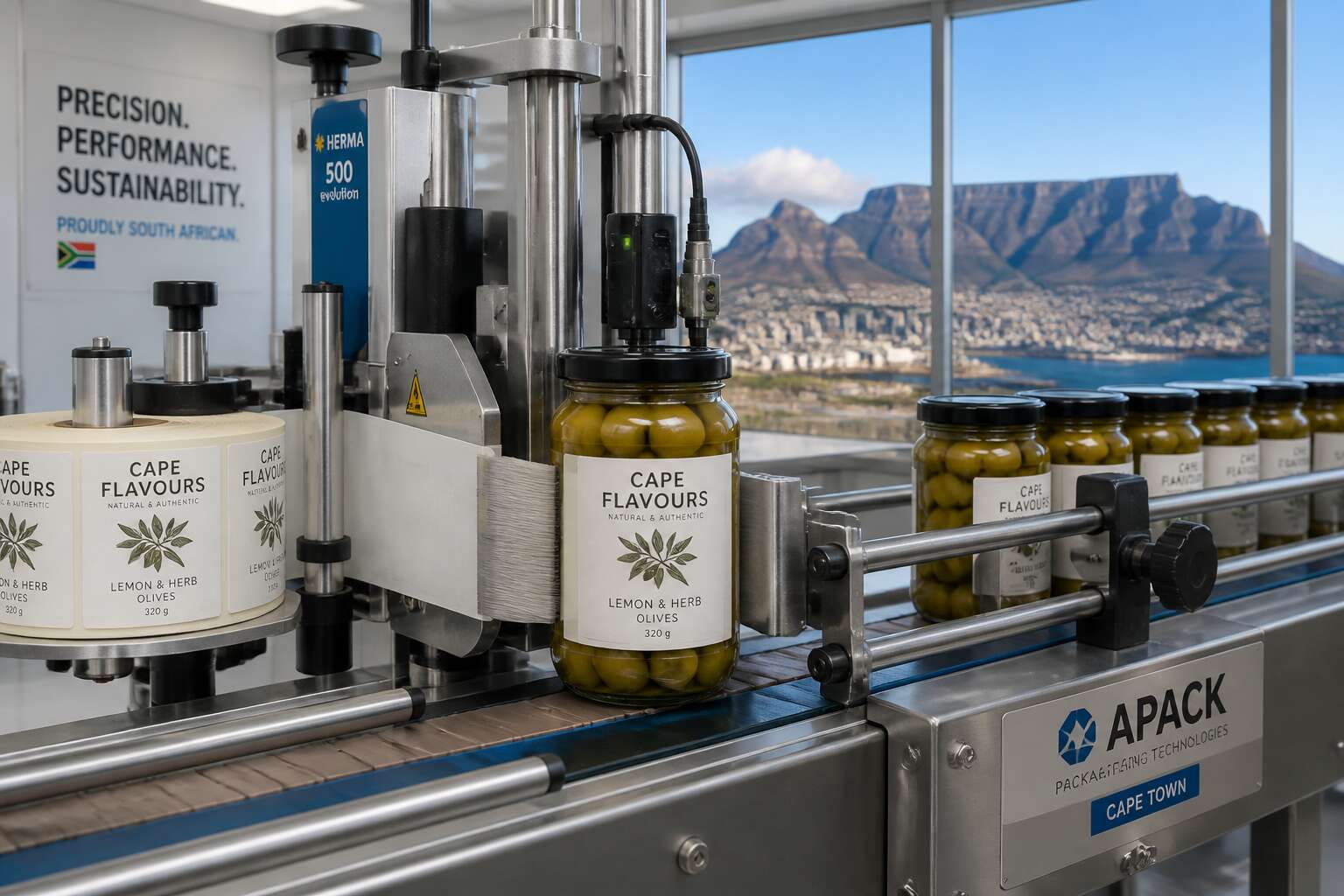
Understanding Pressure Sensitive Labeling Technology
Labeling determines packaging success. A misapplied label costs more than rework; it erodes brand credibility. The pressure sensitive label applicator Cape Town businesses choose must handle variable speeds, irregular substrates, and flawless registration across every shift.
These machines use a peel plate and vacuum drum system. The label is separated from its liner and blown or rolled onto the product. Sensors check placement automatically. The result is repeatable accuracy. Consider a few elements that define performance:
- Label web tension control
- Applicator head adjustability
- Integration with existing conveyors
The technology feels simple until you watch it chase a product at sixty bottles per minute. Then it becomes an exercise in physics, timing, and careful calibration. Finding the right pressure sensitive label applicator cape town providers supply starts with understanding these variables.
Choosing the Best Labeling Machine for Your Production Line
Every production line has a rhythm, and nothing disrupts it faster than a labeling bottleneck. In my experience, the machinery you choose either becomes the heartbeat of your operation or a persistent source of frustration. Many managers focus solely on throughput, overlooking the nuanced reality that a label is often the customer’s first physical interaction with the brand. That placement must be flawless.
The decision for a pressure sensitive label applicator cape town operation should hinge on adaptability, not just speed. Your product range will evolve, and your machinery must evolve with it. A rigid system forces you to conform your packaging to the machine, which is a costly compromise.
When I evaluate these systems, I look at the fundamentals.
1. The applicator head’s precision for different label sizes.
2. The conveyor’s stability for handling lightweight or oddly shaped containers.
3. The ease of changeover, because downtime is the silent killer of margins.
After the checklist, the real test begins with integration. A labeling unit is only as good as its place within your existing workflow. You need a unit that communicates with your other sensors and controls without complex reprogramming. The true value of a pressure sensitive label applicator cape town service lies in the support you receive after installation, not just the hardware on the floor. It is about the confidence that your line will run cleanly, shift after shift, without constant intervention. The right machine offers a quiet sort of peace, knowing the next batch will look exactly as intended.
The Local Market: Sourcing and Support in Cape Town
Cape Town’s packaging industry moves with a peculiar rhythm. A producer in Ndabeni can source a pressure sensitive label applicator cape town and have a technician on site before lunch. That immediacy matters.
Local suppliers understand the constraints of the Western Cape. Load shedding schedules, shipping delays at the port, the patience required for overseas spare parts. They stock consumables accordingly. They know which applicator models suit wine farms, cosmetics lines, and pharmaceutical batches.
Consider what this means for your operation:
- Same-day technical support
- Reduced freight costs
- Faster turnaround on repairs
Then add the social layer. In this market, relationships still carry weight. A phone call to a familiar engineer often resolves what a manual cannot. And when you need a pressure sensitive label applicator cape town, the right conversation can save you weeks of downtime.
Troubleshooting and Optimizing Label Application Processes
Production lines in Cape Town move fast, but even the best machinery stumbles. When your labels wrinkle, misalign, or refuse to peel cleanly, the fault often lies in overlooked details. I have watched operators wrestle with a finicky applicator for hours, only to find a simple vacuum pressure imbalance. The quiet hum of a well-tuned machine masks a complex dance of sensors, rollers, and adhesive tack.
Start by auditing your material. Humidity in coastal areas plays havoc with label stock, causing curling edges that jam the peel plate. A temperature shift of just a few degrees can alter adhesive flow. For a pressure sensitive label applicator Cape Town, environmental consistency is your silent partner. Calibration is another beast. Worn rollers lose their grip over time, creating subtle speed mismatches. It is a slow, frustrating death by a thousand small defects.
When troubleshooting, keep an eye out for the common culprits:
- Inconsistent liner tension, often due to a slipping brake pad.
- Air pockets trapped under the label after application.
- Worn sensor lenses, which struggle to read clear or glossy stock.
Optimizing the process is less about replacing parts and more about respecting the rhythm of the line. I have seen teams shave seconds off cycle times by simply adjusting the blow-on timing to match the product’s conveyor speed. Every bottle, every jar, tells you what it needs. Listen to the machinery. A high-pitched whine from the motor indicates strain, while a dull thud suggests a misfeed. The goal is a seamless marriage between speed and precision. It requires patience, a steady hand, and a willingness to test, then test again. This is the quiet art of keeping the line alive.


0 Comments