Regulatory Landscape for Pharmaceutical Labeling in South Africa
South Africa’s medicine regulators do not compromise on labeling. SAHPRA enforces strict rules around font legibility, language requirements, and unique device identifiers. I’ve watched labeling errors halt production for days. A single ambiguous expiry date can make a whole batch unsellable.
This regulatory environment demands more than accurate printing. Every label must align with both local law and global serialization trends. Here is what a compliant label typically needs:
- Sharply printed batch numbers and barcodes that survive transit
- Expiry dates in the required format, with no room for misinterpretation
- Safety features that allow full product traceability
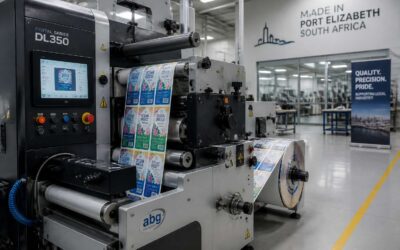
Meeting these requirements consistently requires reliable hardware. A pharmaceutical labeling machine south africa can handle these demands while keeping line speeds high for producers who invest in capable machinery rather than risking recalls.
Market Insights for Labeling Machinery in South Africa
Pharmaceutical manufacturing in South Africa is at an inflection point. The demand for pharmaceutical labeling machine south africa solutions has climbed sharply as serialization mandates tighten. I have watched local producers shift their priorities over the past year.
Flexibility now trumps raw speed. Consider what buyers typically request!
- Tamper evident application
- SAHPRA aligned compliance tracking
- Retrofit capabilities for existing lines
These specific needs are redefining the market. Suppliers who adapt to local regulatory realities gain a clear edge. The pharmaceutical labeling machine south africa landscape is rewarding precision over volume.
Automated inspection is another driver. A label alone is no longer sufficient. Traceability, data capture, and audit trails matter more than ever, and that is changing procurement decisions across the region.
Selecting the Right Supplier and After-Sales Support
The whisper of a faltering labeler is a sound no production manager forgets. Choosing the correct supplier for a pharmaceutical labeling machine south africa demands more than price lists. I have toured facilities where the true cost emerges months later, hidden in idle shifts.
What happens after installation matters. A vendor who disappears once payment clears leaves you with stranded equipment. After-sales support is the defining factor for long term uptime.
When assessing prospective partners, examine these points:
- Average response time for breakdown calls
- Local stock of critical spare parts
- Depth of technician training provided
The most nefarious clauses lurk in maintenance agreements. Trust a supplier who picks up the phone after hours, not one who replies the next morning.
Cost-Benefit Analysis and Financial Considerations
The average South African pharmaceutical manufacturer loses roughly 2.7% of annual revenue to labeling errors and rework. That figure makes the upfront cost of a new system easier to accept. I have seen operations where a pharmaceutical labeling machine south africa becomes the single most rational capital expense on the table.
The financial case rests on more than sticker price. Direct savings come from reduced waste, faster changeovers, and fewer manual checks. For a mid-sized plant, the annual cost of downtime from misapplied labels often exceeds the machine’s purchase price within 18 months.
- Capital outlay and installation
- Tooling and change parts for different bottle sizes
- Training and ongoing maintenance
- Potential increases in line throughput
These figures interact with your specific product mix, but the directional trend is clear. When you factor in regulatory penalties for non-compliance, the analysis tilts toward automation.
Future Trends in Pharmaceutical Labeling Technology
Artificial intelligence is quietly turning the pharmaceutical labeling machine south africa into something closer to a watchful hawk than a simple printer. The next generation of vision systems won’t just check if a label is straight. They will predict when a roll of material is about to wrinkle, before it even happens. It is a strange mix of foresight and adhesive.
That said, the real evolution is less about spectacle and more about sanity. The next few years point to a few unglamorous but vital shifts:
- Serialization becoming a default standard for even small production batches.
- Adaptive printing heads that adjust variable data, like batch numbers, without a human tapping a screen.
- Digital twins for the entire labeling process, allowing engineers to test a change without stopping production.
We are moving past the basic label-and-stick phase into a world where the machine learns your common-cause variation. The goal is simple. Keep the line moving and the regulator happy. If that sounds dull, you have never watched a misapplied label trigger a full batch quarantine. Trust me, it is thrilling in the worst way possible.

0 Comments