The Role of Modern Labeling Machinery in Production Lines
Understanding Different Types of Label Applicators
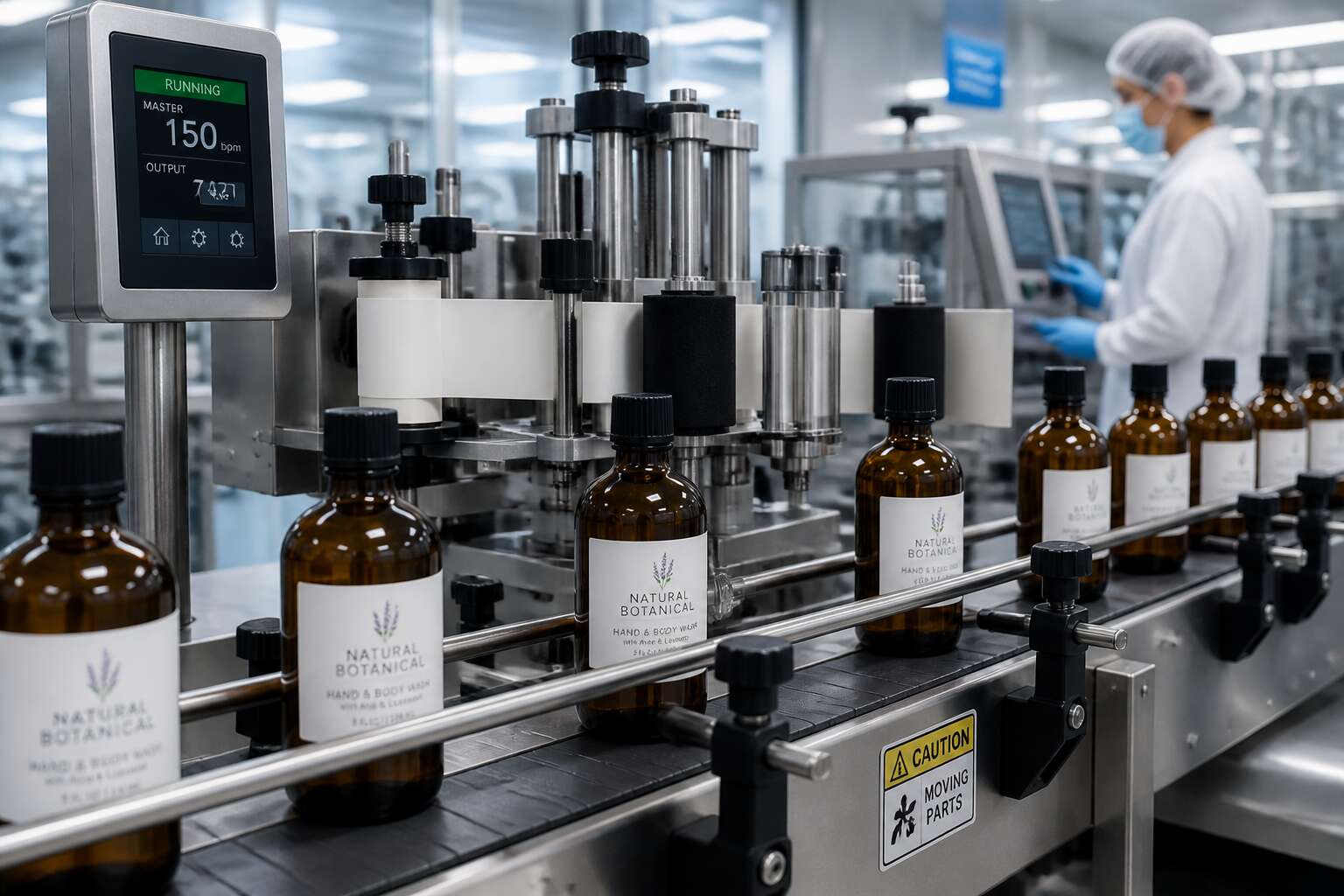
A misapplied label can halt an entire shift. That single fact explains why modern labeling machinery has become the quiet heartbeat of efficient production lines. For manufacturers depending on packaging labelers Nelspruit, this equipment does more than place stickers. It ensures consistency, compliance and uninterrupted flow.
Today’s applicators read sensor data and adjust themselves in real time. They handle irregular surfaces and shifting bottle diameters without slowing down. Their purpose is not simply adhesion, but precision at volume.
Common label applicators include:
– Pressure sensitive units for versatile, rapid changeovers
– Roll fed systems for wraparound labels on cylindrical goods
– Sleeve applicators for tamper evident packaging
The choice depends on container geometry, label material and line speed. Beverage facilities face different demands than cosmetics producers. Local suppliers of packaging labelers Nelspruit understand these variations and recommend machinery suited to actual operating conditions. When every label lands true, the whole line moves as one.
Key Benefits of Automated Labeling Systems
When a production line runs at full capacity, a single misfeed can trigger cascading stoppages. Modern automated labeling machines monitor themselves continuously, which reduces those moments dramatically. Sensors track adhesive application, label position and print quality on every unit that passes. This happens without an operator needing to look at each bottle.
For facilities using packaging labelers Nelspruit, the practical benefits show up in daily output:
- Fewer rejected items at the end of the line
- Faster changeovers when switching between product runs
- Less manual handling that causes repetitive strain
The machinery also feeds accurate data back to plant software. That information helps shift managers adjust pace and catch small faults early. Automation truly changes labeling from a manual chore into a reliable, measured process!
How Labeling Equipment Integrates with Existing Packaging Workflows
Labeling was once the final chore before the product left the building. Modern machinery changes that sequence. A labeling unit reads a line’s pace and adjusts its own cycle in response. Production flows without constant human correction.
Integration follows a quiet logic that operators in Nelspruit learn to respect. The machine coordinates with conveyors, fillers and capping stations. Each component alters its timing to accommodate the next. I have seen this difference on factory floors, and it is immediate!
For packaging labelers nelspruit, this coordination separates a line that loses pace from a line that performs. Workers no longer chase misapplied stock. They observe variables that only human judgement can assess.
Common Industries That Rely on Labeling Solutions
Modern labeling machinery now controls production flow. It applies labels at speed while verifying every placement. Factories that adopt packaging labelers nelspruit remove the bottlenecks of manual work. The equipment checks position, alerts operators to errors, and records output data. This role has shifted labeling from an afterthought to a core component of quality control.
Industries that depend on these systems vary widely. Consider these examples:
- Food and beverage plants need labels that resist moisture and temperature changes.
- Pharmaceutical companies require traceability codes and tamper resistant seals.
- Agricultural exporters must mark packaging with origin and handling instructions.
Each sector imposes different demands on adhesives and printheads. A labeler used for mango crates will not suit cosmetic jars. I have seen this reality on factory floors, and the difference is tangible!
The Impact of Precision Labeling on Brand Perception
A production line moves at a steady rhythm, and the labeler anchors that flow. Packaging labelers Nelspruit installations have become essential to this process, turning blank containers into recognisable products. The equipment reads, aligns, and presses without pause:
– It detects label position with optical sensors
– It corrects misalignment before adhesion
– It verifies each placement against the printed record
Precision alters perception. A skewed label suggests neglect. A flawless seam implies care. I have watched operators trust the machine’s judgement over their own, checking output with quiet confidence. In crowded retail spaces, that consistency carries the brand’s reputation. Shoppers rarely notice the label; they simply feel the difference.
Key Factors to Evaluate When Selecting Label Applicators
Production Speed and Throughput Requirements
A label applicator running ten percent slower than your line’s peak can erase an entire shift’s output. When selecting label applicators, the throughput requirement dictates machinery choice. A facility running two hundred bottles per minute demands different equipment than one handling fifty units per minute.
The factors to weigh include:
- Peak demand versus average throughput
- Changeover frequency between products
- Label size and material variations
- Line integration complexity
Each variable shifts the calculation. For businesses evaluating packaging labelers nelspruit, understanding the gap between theoretical maximum speed and real-world operational pace is essential. That gap determines whether you invest in a rotary system or a straight-line applicator. Slow labelers create bottlenecks; oversized ones waste capital. The relationship between rated speed and achieved throughput determines the return on investment.
Label Material Compatibility and Adhesive Types
Label material compatibility is a decisive factor when selecting applicators. The adhesive must match your surface, temperature range, and line speed. For packaging labelers nelspruit, the wrong adhesive causes peeling and rework. Key points to evaluate:
- Adhesive type: pressure sensitive suits most surfaces, while water based adhesive requires porous substrates.
- Label backing: thin liners can cause misfeeds at high speeds.
Some materials stretch under heat. Acrylic films and polypropylene behave differently. Test your exact label stock with the applicator before purchase. The glue’s interaction with the label’s topcoat determines cold chain performance and sunlight resistance. Packaging labelers nelspruit demand this level of scrutiny. Skipping it creates avoidable downtime.
Changeover Flexibility for Various Container Shapes and Sizes
A container that fits today may not fit tomorrow. Changeover flexibility determines how gracefully your line adapts. For packaging labelers nelspruit, switching between round bottles and oval jugs should take minutes, not hours. Tool-less adjustments and programmable memory settings reduce the friction between product runs. Consider the range of container diameters and heights your applicator can accommodate.
The changeover process involves more than swapping guides. Sensors require recalibration. Applicator heads may need repositioning. Some systems offer servo driven adjustments that store multiple profiles, recalling them at the press of a button.
Here is what I always inspect during a demonstration:
- How long does a complete changeover take?
- Are adjustment points accessible without tools?
- Does the system retain settings for repeat orders?
Small production runs demand frequent changeovers. A flexible applicator transforms a potential bottleneck into a smooth rhythm. Packaging labelers nelspruit thrive when operators can switch formats without frustration.
Floor Space and Layout Constraints in Your Facility
Nobody budgets for the air around a label applicator. Then the machine arrives and the maintenance hatch opens directly into a pallet rack. Floor space and layout constraints in your facility will shape your machine choice more than speed specs ever will. Operators using packaging labelers nelspruit often work in compact production rooms, so every millimetre matters.
Check the full envelope of movement. Label reels swing when you load them. Applicator heads pivot during service. Conveyor sections need clearance for product infeed and outfeed. Some installations only fit if the operator can stand on a specific side.
The quiet culprit is the electrical cabinet. It needs ventilation and a clear path to open. If you skip this check, you are not buying a labeler. You are buying a puzzle.
Upfront Investment vs. Long-Term Operating Costs
Most buyers fixate on the purchase price, but the real cost of packaging labelers nelspruit only reveals itself over years of operation. Consumables, spare parts, energy draw, and downtime all compound. A cheap unit that jams hourly becomes the most expensive machine on your floor.
The initial quote rarely includes installation, training, or integration work. Ask what happens when something wears out. Some suppliers lock you into proprietary parts. Others force long lead times that stall production.
- Evaluate service intervals and replacement part costs.
- Check energy consumption per shift.
- Calculate changeover time in labour hours.
Consider the total picture before signing. Packaging labelers nelspruit installations vary widely in hidden ownership costs. Two machines with similar price tags can differ by thousands in annual upkeep.
Ease of Use and Operator Safety Features
I have watched skilled operators struggle with label applicators that challenged even patient hands. Ease of use boils down to how naturally an operator interacts with the equipment. A clear interface, responsive controls, and visual feedback shorten learning time dramatically. When a shift changes or a temp worker steps in, this clarity prevents costly fumbles. The packaging labeler becomes an extension of the process, not an obstacle.
Operator safety deserves equal weight. Guarding around moving rollers, emergency stops within reach, and straightforward lockout procedures prevent small mistakes from becoming lost workdays. Request a live demoand walk through the motion of changing adhesive roles. The machine should respond predictably, without demanding unusual contortions. For packaging labelers nelspruit operations, these two factors often separate dependable equipment from constant babysitting.
- Interlocked doors that halt rotation immediately
- Anti-static brushes to minimize film attraction
- Low-noise engineering to protect hearing during extended shifts
The most reliable way to gauge ease of use is to imagine your least experienced operator at the helm. Can they load a new reel without consulting a manual? Can they resolve a misfeed using guidance on the screen? If the answer demands a specialist, you have purchased a liability. Simplify the interaction and your line gains resilience. Choose labelers that respect both the people and the pace of your operation.
Sourcing Labeling Equipment for Businesses in the Mpumalanga Region
Identifying Reliable Equipment Suppliers in and Around Nelspruit
Finding a supplier for packaging labelers Nelspruit businesses rely on is not a matter of flipping through a directory. The real work begins on the production floor, where equipment must match the demands of citrus, timber, and beverage operations that define this region. A supplier who understands local conditions, such as humidity and dust, offers more than a machine. They offer resilience.
The process demands scrutiny. Ask about installation crews, response times, and spare parts availability. A unit that ships from Johannesburg may save a few rand upfront, but downtime costs more than any discount. When evaluating packaging labelers Nelspruit operators recommend, push for proof, not promises.
– Verify local service technicians
– Request references from Mpumalanga-based producers
– Confirm the supplier stocks components in Nelspruit
That last point matters. When a line stops, waiting a week for a sensor defeats the purpose.
Navigating Lead Times and Shipping Logistics to Your Facility
A machine sitting in transit is not an asset; it is a liability. When you source packaging labelers Nelspruit operations depend on, the conversation starts long before the purchase order. It starts with lead times.
Road freight from Johannesburg or Durban ports can add days, and customs clearance for imported units is unpredictable. A supplier who quotes a delivery window of two weeks might mean three or four, depending on the season. That delay affects your whole line.
Consider these factors when planning:
- Whether the machinery ships fully assembled or as a knocked-down kit
- Forklift accessibility at your loading dock for crated units
- Insurance coverage during transit and offloading
Coordinate the delivery date with installation crews so the equipment does not sit in storage. For packaging labelers Nelspruit facilities purchase, every week in a warehouse is a week of lost production.
Compliance with South African Packaging and Labeling Regulations
A mislabeled bottle costs more than a fine. South African law demands precision. The Consumer Protection Act and the Trade Metrology Act dictate what appears on every package. SANS standards cover font size, language, and country of origin. Businesses in Mpumalanga often overlook how these rules affect machine selection. Packaging labelers Nelspruit suppliers must handle batch codes, expiry dates, and net weight declarations. The applicator must print on labels that face heat, humidity, and rough transport.
Traceability is non negotiable. Your labeling system should feed data into production records.
- Verify print heads meet NRCS compliance standards.
- Confirm label adhesives align with food contact regulations.
When procuring packaging labelers Nelspruit operations require, request the compliance dossier before signing. A unit that ignores regulatory updates becomes obsolete quickly.
Tailoring Solutions for Agriculture, Beverage, and Cosmetics Sectors
Mpumalanga’s agricultural exporters deal with citrus oils and dust that test every print head. Beverage producers run glass lines with tight changeover windows. Cosmetics manufacturers need label placement accuracy that matches shelf appeal. Each sector demands a distinct configuration.
- Actual container testing during selection
- Print resolution verified against sector standards
- Adhesive performance confirmed for regional climates
Packaging labelers Nelspruit businesses purchase tend to perform best when chosen after studying the full product mix. A machine suited to produce crates will not handle lotion bottles. Service contracts differ among local technicians, and response time matters across Mpumalanga’s dispersed production sites.
Evaluating Local After-Sales Support and Warranty Coverage
When sourcing packaging labelers Nelspruit operators need to examine support structures beyond the initial purchase. Ask suppliers for service level agreements that specify response windows for Mpumalanga’s outlying production sites. A warranty that covers print heads and applicator modules carries more weight than one that excludes consumables.
Local technicians familiar with regional conditions can diagnose adhesive failures caused by humidity variations. Evaluate their spare parts inventory and whether they offer loan units during extended repairs. Consider these factors:
- Response time guarantees across N4 corridor routes
- Calibration services validated by documented checklists
- Warranty terms tied to preventive maintenance schedules
Suppliers who provide training for your maintenance crew reduce downtime significantly. Confirm those sessions happen at your facility, not just at demonstrations. Packaging labelers Nelspruit businesses choose should be backed by support contracts that adapt as production volumes shift, since seasonal peaks in citrus packing and beverage bottling place different demands on the equipment.
Implementing and Training Teams for New Labeling Systems
Planning a Smooth Installation and Commissioning Process
Installing a new labelling system is a moment of truth. The machinery can be top tier, but if the team isn’t ready, the line will show it! With packaging labelers Nelspruit, our focus shifts to human readiness as much as technical calibration.
A solid commissioning sequence keeps things predictable:
- Verify mechanical alignment and sensor placement.
- Run empty containers to confirm transport timing.
- Test with actual product, checking label placement and adhesion.
We build training into each step. Operators watch, then handle changeovers themselves. This approach turns the installation window into a practical classroom. By the end of the week, the team owns the machine, and production targets feel realistic.
Developing Comprehensive Operator Training Programs
An operator who understands the machine is worth more than a full spare parts kit. The most advanced line stalls when the person at the console hesitates. Training for packaging labelers Nelspruit should reflect the actual production floor, not a slide deck.
Comprehensive operator programs focus on recognition. Operators learn to spot misapplied labels before the reject gate does. They study adhesive tack, label web tension, and the way container shape alters application pressure. Each fault they diagnose builds practical confidence.
Structured sessions work best:
- Daily startup checks and sensor calibration
- Changeover drills for different container sizes
- Basic fault finding and error code handling
- Cleaning and lubrication schedules
We also test operators under time pressure. A fast line leaves no room for manuals. The team must react from muscle memory. When training uses rejected product for practice, operators learn to correct issues quickly without wasting good stock. By the end, the crew runs packaging labelers Nelspruit with the same ease they drive their own vehicles.
Common Startup Challenges and How to Avoid Them
The silence on a newly commissioned line is rarely peaceful; it is often tense. The first shift with unfamiliar machinery exposes every hidden assumption in the workflow. Teams quickly discover that the manual describes the machine in a vacuum, but the reality of a humid Mpumalanga afternoon or a batch of dusty bottles brings a different set of rules. Success in this phase depends less on the sophistication of the hardware and more on the foresight of the preparation.
Process friction usually emerges from underestimating changeover complexity. A machine that labels cylindrical bottles at speed does not automatically handle flat ovals with the same grace. Teams need to map out the sequence for tooling swaps and sensor repositioning before the first production run. A common failure is treating the first week as a trial period, when it should be a structured acceleration phase where problems are logged and solved immediately.
Operators must also confront the variance in consumables. The adhesive that works on a warm, dry day can turn into a stringy mess when the relative humidity spikes. Training should include sessions on adjusting the temperature controls for the glue tank and altering the pressure settings for different label stock. Without this knowledge, the crew blames the applicator for what is actually a material behavior issue.
– Validate spare parts availability for the first 90 days
– Establish a direct line to the supplier’s technician for remote diagnostics
– Schedule a post-installation audit at the two week mark to refine settings
The anxiety of the first production rush often causes operators to skip the diagnostic steps they learned in training. They revert to manual intervention, which negates the efficiency of the automated system. Encourage a culture where stopping the line to investigate a sensor warning is praised, not penalized. The cost of a five minute stoppage is negligible compared to the cost of a rejected pallet.
Finally, consider the local context. The supply chain for replacement rollers or print heads might have lead times that impact your stock levels. The integration of packaging labelers Nelspruit into your facility is not an event, but a dialogue between the machine’s capabilities and the environment it operates in. When the team understands the “why” behind the machine’s logic, the “how” becomes second nature.
Establishing Routine Calibration and Quality Control Checks
The rhythm of a labeling line depends on the quiet discipline of calibration. When the packaging labelers nelspruit operate without this discipline, the first sign of drift appears as a label placed two millimeters off center. That small error compounds across a shift into wasted film and rejected product.
Establishing routine quality control checks requires a clear schedule. Operators should verify sensor timing at line startup, check glue temperature every hour, and sample labels every thirty minutes. A simple log sheet works better than complex software in many facilities.
- Verify the applicator’s vacuum pressure each morning
- Inspect the label roll splice integrity at changeover
- Record the temperature settings for the adhesive tank daily
These checks are not bureaucratic steps. They are the instruments by which the machine communicates its condition. When the team treats calibration as a conversation rather thana chore, the line holds its accuracy through the humid afternoons and dusty bottle batches.
Tracking Performance Metrics to Optimize Labeling Accuracy
Training people to run new labeling equipment exposes the gulf between reading a manual and feeling a machine. The packaging labelers nelspruit companies rely on demand more than button pushing. Every shift brings a new variable, a different bottle shape, a humid morning, a batch of film with strange tension.
We restructured onboarding around live fault simulations. Operators traced misfeeds to their source, whether a worn roller or a misaligned sensor. Staff who struggled with theory became sharp troubleshooters under real pressure.
Performance metrics followed the same logic. We logged rejection rates per shift and compared them against machine settings. The data exposed patterns invisible during walkthroughs. One line always drifted after lunch, caused by a specific supplier’s label rolls.
Those numbers started conversations. Operators reviewed their own rejection counts and adjusted quickly. Packaging labelers nelspruit operations improve when measurement and training reinforce each other.
Creating a Troubleshooting Guide for Everyday Issues
The manuals that arrive with new equipment say everything and nothing. The real education begins when a jam slows the line to a crawl. We build training around the faults that actually occur, not the ones the brochure predicts. Operators learn to read the sound of a misfeed, the tension in the film, the hesitation before a label peels.
The troubleshooting guide is not a dusty binder. It is a living document, written by the people who run the machines daily. Each entry records a symptom, a cause, and the fix that worked in our humidity, our shifts, our facility. When a problem repeats, the guide catches it.
New operators shadow veterans. Veterans refine the guide. That cycle matters more than any certification.
Common issues we document:
- Label curl from adhesive exposure to heat
- Sensor drift after heavy production runs
- Misalignment from worn vacuum belts
Each entry saves time and tempers. Packaging labelers nelspruit operators depend on this shared knowledge. The machines change, but the discipline of recording every fault remains constant.
Maximizing ROI with Upgrades and Aftermarket Services
Retrofitting Existing Lines with Advanced Labeling Technology
According to recent industry data, retrofitting an existing packaging line costs around half of a full replacement. That means packaging labelers Nelspruit producers already own equipment worth upgrading.
Upgrades like servo driven applicators, vision verification systems, and quick changeover kits extend the useful life of current machinery. Aftermarket services such as performance audits and genuine replacement parts ensure consistent output.
Consider what a retrofit can deliver:
– Higher throughput without new floor space
– Reduced material waste from precise label placement
– Lower maintenance frequency through modern components
These interventions shorten payback periods. A line that ran at 60 percent efficiency can reach 85 percent after a targeted upgrade. That is ROI you can measure in production reports, not guesswork.
The Importance of Preventive Maintenance Schedules
Every hour of unplanned downtime eats your margins, and no aftermarket service can resurrect a labeler that died of neglect! Maximizing ROI from packaging labelers Nelspruit operations means pairing targeted upgrades with a stern preventive maintenance schedule.
A maintenance plan should include specific checks. For example, inspect adhesive nozzles, calibrate sensors, and replace worn belts before they fail. These steps cost little, yet they prevent catastrophic stoppages and extend machine life.
- Weekly sensor cleaning
- Monthly lubrication of moving parts
- Quarterly vision system calibration
Aftermarket services, such as genuine parts and performance audits, compound the savings. A maintained line runs faster, wastes less, and rewards your budget with predictable output. I have seen this pattern hold across many facilities.
Sourcing Genuine Spare Parts and Consumables Locally
The cheapest labeler is the one you never have to rebuy. That truth drives every smart upgrade decision. Packaging labelers Nelspruit facilities often run lines for years with outdated sensors or worn applicators. A targeted upgrade, like a new glue roller or servo motor, can boost output by double digits. The return is immediate.
The aftersales and spare parts ecosystem matters more than the initial purchase price. Sourcing genuine components locally in Mpumalanga shortens downtime significantly. Waiting weeks for a shipment from Johannesburg or overseas kills your schedule. That is costly.
– Lower transport costs
– Shorter lead times
– Access to technicians who know your machine
Local suppliers understand the specific conditions of packaging labelers Nelspruit operations. They stock consumables that match your adhesive and label stock. I have seen facilities extend machine life by years simply by using the right parts. The machine keeps running, and your ROI stays positive.
Upgrading Software for Better Data Integration and Traceability
Software upgrades often deliver the most surprising gains! I have seen packaging labelers Nelspruit facilities change dramatically when legacy control systems connect directly to their ERP. Data integration turns raw production numbers into a useful record for decision making.
Traceability matters! A modern labeler can log every batch, temperature, and applicator stroke. That information becomes your evidence during audits. It also highlights performance shifts before they cause downtime.
Consider these upgrades:
- Cloud based dashboards for live line visibility
- Barcode scanners that verify each label placement
- Serialized data capture for recall readiness
These changes compound. Your return on investment grows with every hour saved on reconciliation. For packaging labelers Nelspruit operators, software is the new spare part. It never wears out, but it always pays.
Extending Equipment Lifespan Through Regular Servicing
Most facilities calculate return on investment from the initial invoice. That number misses the real picture. Servicing contracts, genuine parts, and targeted retrofits determine what a machine costs over five years. For packaging labelers Nelspruit operators, the gap between a profitable line and a costly one often comes down to aftermarket decisions.
Regular servicing catches wear before it becomes failure. A loose sensor or dried adhesive nozzle stops production. Skilled technicians measure tolerances, replace consumables, and adjust tension systems. This work costs far less than emergency repairs.
A preventive visit covers:
- Verification of applicator stroke accuracy
- Inspection of feed belts and vacuum systems
- Lubrication of moving assemblies
Each visit extends the lifespan of the labeler. The equipment keeps producing within specification. That reliability directly feeds the bottom line. Planned servicing turns maintenance from an expense into an investment.

0 Comments